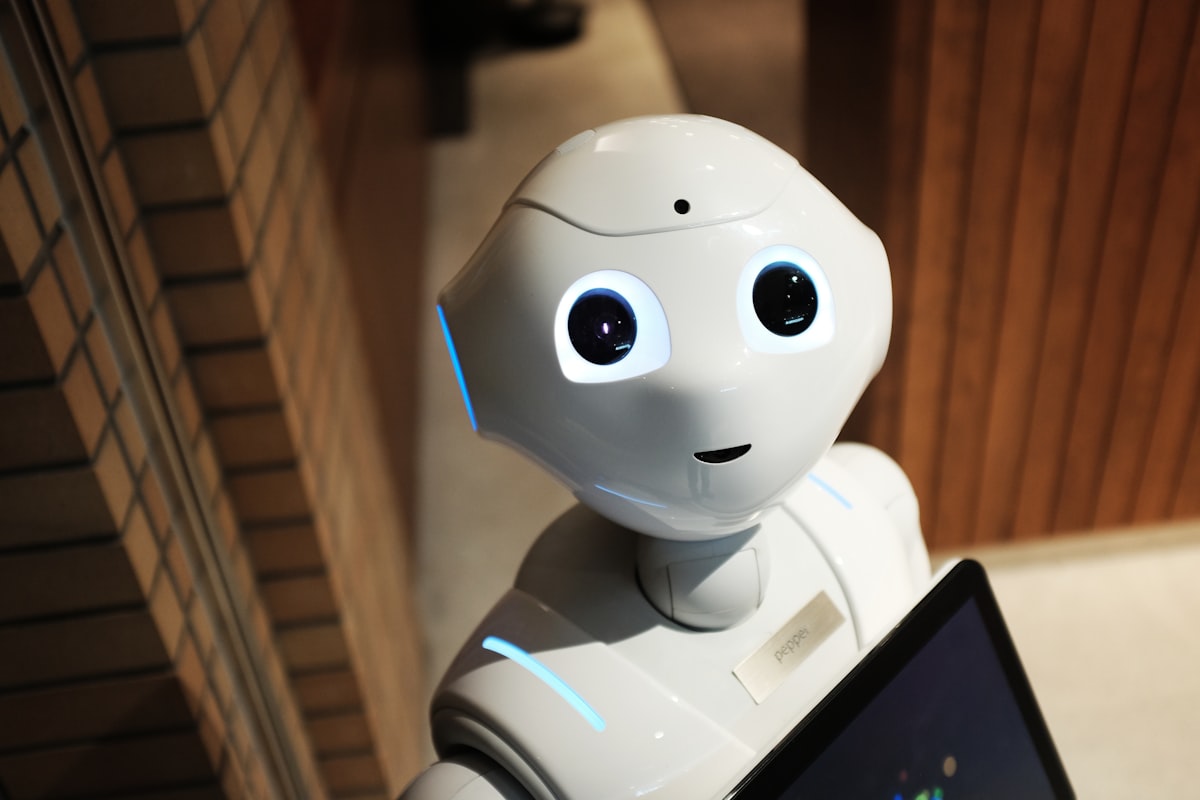

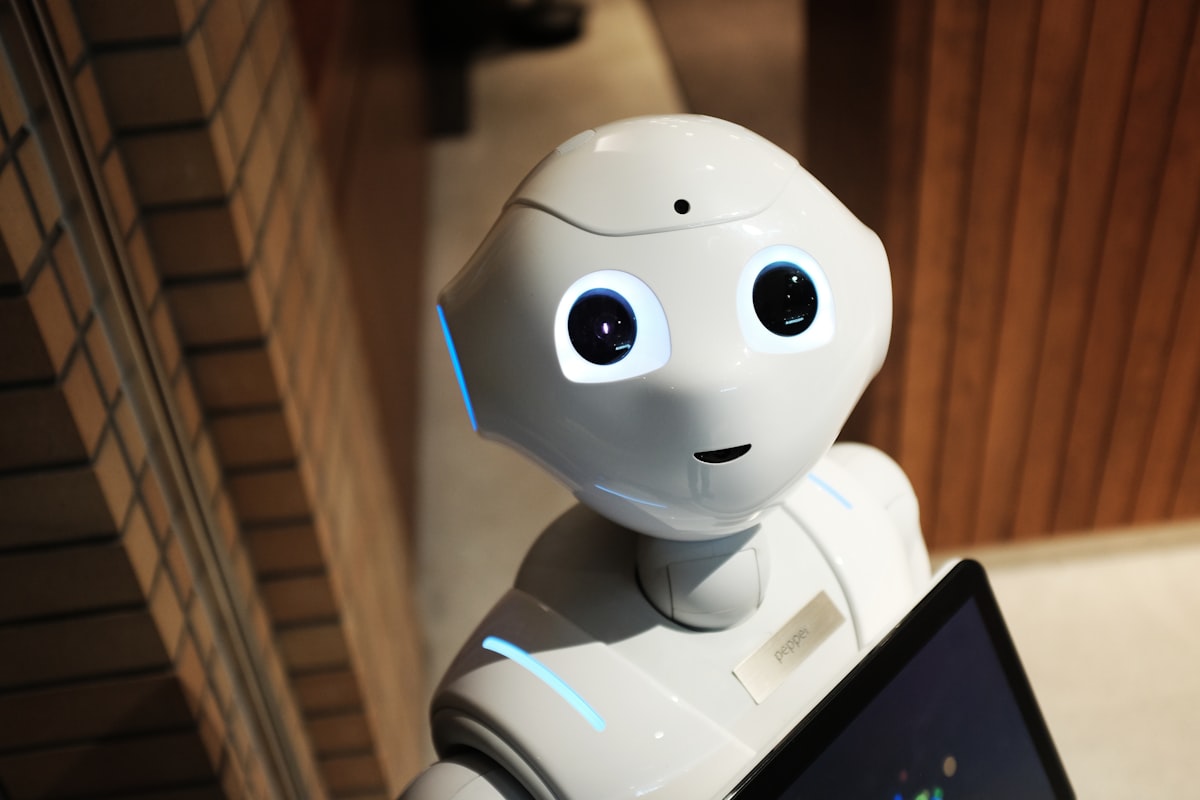
For decades, humanoid robots existed only in movies and research labs. In 2026, they are walking factory floors, assisting surgeons, delivering packages, and even providing companionship to the elderly. The humanoid robot revolution has officially arrived — and it is moving faster than almost anyone predicted.
The Leading Humanoid Robots of 2026
- Tesla Optimus Gen 3: Now deployed in over 15 Tesla factories worldwide, performing repetitive assembly tasks with 98% accuracy. Elon Musk has announced plans for consumer availability at under $20,000 by 2027.
- Figure 02 (Figure AI): Backed by Microsoft and OpenAI, Figure 02 can hold natural conversations, learn new tasks through demonstration, and has been deployed at BMW’s manufacturing plants.
- Boston Dynamics Atlas: The most agile humanoid robot ever built — capable of parkour, carrying heavy loads, and navigating complex environments. Now available for enterprise leasing.
- Agility Robotics Digit: Designed specifically for warehouse logistics, Digit works alongside human workers at Amazon fulfillment centers, handling boxes up to 35 lbs.
- Unitree H1 Pro: A cost-effective Chinese humanoid robot priced at $90,000, rapidly gaining market share in Asia’s manufacturing sector.
Where Humanoid Robots Are Being Deployed
- Manufacturing: Assembly, quality control, and material handling in automotive, electronics, and consumer goods factories
- Healthcare: Assisting nurses with patient transfers, delivering medications, and providing companionship in elder care facilities
- Logistics: Warehouse picking and packing, last-mile delivery in controlled environments
- Retail: Restocking shelves, greeting customers, and inventory management in large stores
- Disaster response: Search and rescue operations in environments too dangerous for humans
The Technology Behind the Revolution
What has made 2026 the breakthrough year for humanoid robots? Three key advances: foundation models for robotics (AI trained on vast datasets of human movement), affordable actuators (the motors and joints that enable fluid motion), and improved battery technology enabling 8+ hours of continuous operation. The convergence of these three factors has collapsed the cost of building capable humanoid robots by over 70% since 2022.
The Jobs Question
The arrival of humanoid robots inevitably raises the question: will they take human jobs? The honest answer is: yes, some — particularly repetitive physical labor. However, economists note that humanoid robots also create new jobs in robot maintenance, programming, oversight, and the expanded industries their efficiency enables. The key is proactive workforce retraining and policy frameworks that ensure the gains are broadly shared.
What’s Coming Next
By 2028, analysts predict humanoid robots will be capable of performing 70% of physical tasks that currently require human dexterity. Home robots that can cook, clean, and provide care are on the near-term roadmap for multiple companies. The era of the personal robot — once the exclusive domain of science fiction — is now a matter of engineering timelines, not imagination.
Keep up with the robotic revolution and more on All Days — your daily technology companion.
How to Interact With Humanoid Robots Today
You don’t need to wait until 2028 to experience humanoid robotics firsthand. Several companies now offer public demos, enterprise pilots, and even consumer pre-orders. Here’s how different groups are engaging with humanoid robots in 2026:
- Businesses: Companies in manufacturing, logistics, and healthcare can apply for pilot programs through Figure AI, Agility Robotics, and Unitree’s enterprise programs.
- Developers: Boston Dynamics offers an SDK for Atlas, allowing software developers to build applications and control interfaces for the robot.
- Researchers: Universities and research institutions can access humanoid platforms through academic partnership programs from multiple vendors.
- General public: Tesla has opened a waitlist for early Optimus home robot access, expected to launch in select markets in 2027.
The Ethics of Humanoid Robots
As humanoid robots become more capable and widespread, society faces pressing ethical questions. Should robots that look and move like humans be required to clearly identify themselves as machines? Who is legally liable when a humanoid robot causes harm — the manufacturer, the operator, or the owner? How should society handle the economic disruption of widespread robotic labor displacement? These questions are being actively debated in legislatures, universities, and boardrooms around the world. The IEEE and ISO have published preliminary guidelines for humanoid robot safety and transparency, but comprehensive regulation is still years away.
A Day in the Life With a Humanoid Robot
Imagine waking up in 2027. Your household robot — roughly human-sized, quiet, and capable — has already loaded the dishwasher, prepared breakfast, and sorted the laundry. It can’t hold a nuanced conversation yet, but it follows natural language commands reliably and handles dozens of household tasks autonomously. This scenario is not far off. Early pilot users of Tesla Optimus in employee housing programs report that the robot handles 60-70% of routine household chores with minimal supervision. The personal robot era isn’t decades away — it’s years away.